 By owais
Introduction: A Question That Starts the Fix
Have you ever watched a line of welders and wondered why some stations remain clear while others fog up with smoke? In automotive manufacturing welding fume extraction, that difference is not luck—it’s design, maintenance, and often, plain oversight. I’ve walked shop floors where extraction hoods sit idle or where filtration media clog faster than anyone planned (we all get busy—that’s life). The data don’t lie: uncontrolled welding fumes raise particulate counts, trigger worker complaints, and push exposures above recommended action levels. So what exactly separates the workshops that keep air breathable from those that chase complaints day after day?
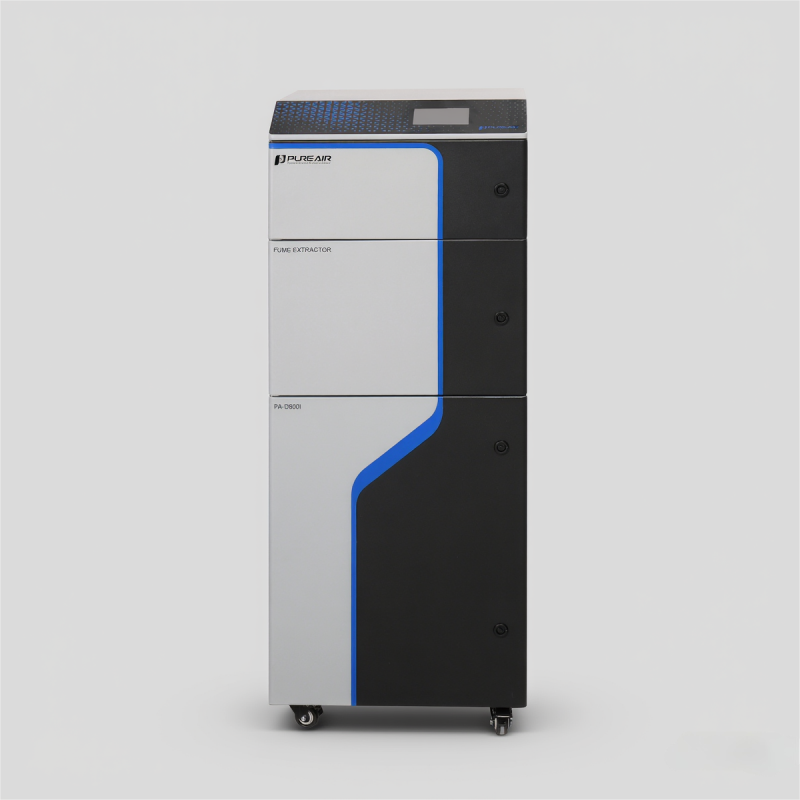
I’m here to break that down with you, in plain terms. We’ll look at how choices around extraction hoods, airflow rate, and filtration change outcomes. I’ll point out where teams commonly trip up, and suggest clearer ways forward. Ready? Let’s dig into the flaws and the fixes—step by step, without the jargon.
Part 2 — Traditional Solution Flaws and Hidden User Pain Points
I want to get straight to the point: many facilities rely on a generic welding fume collector and assume the problem is solved. That assumption fails in real use. Technically speaking, a collector is only as good as its siting, ducting design, and maintenance plan. We see teams install a system but ignore pressure drops, and the result is poor capture at the source. Filtration media loaded unevenly? Expect reduced efficiency. HEPA filters help, yes — but only if the airflow and capture geometry are correct.
Look, it’s simpler than you think: bad hood placement and undersized blowers turn a decent collector into a band-aid. Hidden pain points include downtime during filter swaps, confusing control panels on power converters, and welders who can’t work because hoses block their reach. I’ve stood next to operators who mechanically defeat a hood because it makes their job harder. That human factor is huge. If you don’t design for the user, the best filter becomes shelfware. In short: capture physics, ergonomic layout, and maintenance workflow must match the real shop rhythm. Otherwise you chase complaints forever.
Why do users bypass systems?
Because systems ignore everyday reality: tool reach, line speed, and quick-change fixtures. Fix those, and compliance follows.
Part 3 — New Technology Principles and a Practical Outlook
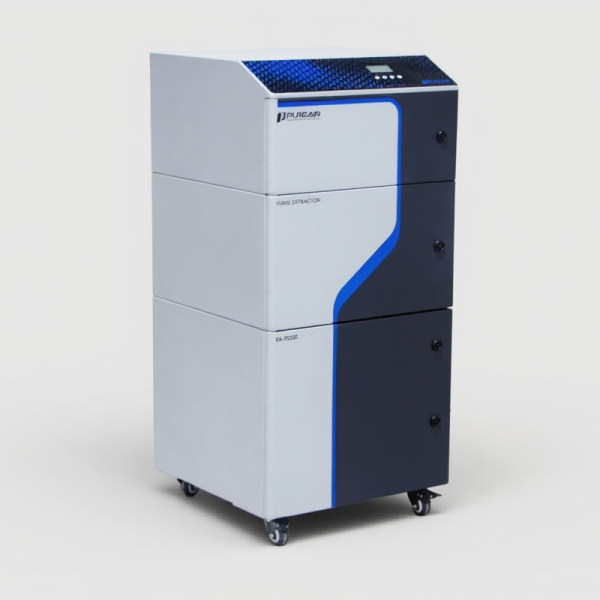
Looking ahead, I favor solutions that combine smarter capture with smarter controls. Modern welding fume collector designs now pair modular extraction hoods with variable-speed drives so airflow meets demand, not a fixed number. Edge sensors and simple feedback loops let the system boost flow when particulate spikes, then relax during idle—this saves energy and keeps filters healthier. I like systems that simplify operator choices: one button, clear LED status. That reduces workarounds, and — funny how that works, right? — happier operators keep systems intact.
From a practical view, materials matter too. Durable ducting that resists buildup, accessible filter doors, and clear maintenance schedules cut long-term cost. In pilot projects I’ve seen a setup with local capture arms, smart blowers, and scheduled filter swaps reduce airborne fines by a measurable margin. The lesson: combine capture geometry, filtration media choice, and control logic. That trio matters more than a single big blower.
What’s next for shops ready to improve?
If you’re evaluating upgrades, consider three simple metrics I always use: capture efficiency at the weld (measured at source), normalized energy use per weld cycle, and ease of routine maintenance (time and steps). Those tell you whether a system will work in practice, not just on paper. Weigh them. Try a small pilot. Measure, then scale. I find that pragmatic pilots reveal human interactions you can’t predict from specs alone.
To wrap up—don’t chase the fanciest filter. Focus on fit: the right hood, the right control, the right service plan. Measure outcomes, involve operators, and iterate. If you need a place to start, look at solutions that respect both capture physics and the human side of the line. For practical systems and support, I recommend checking options from PURE-AIR.