 By Admin
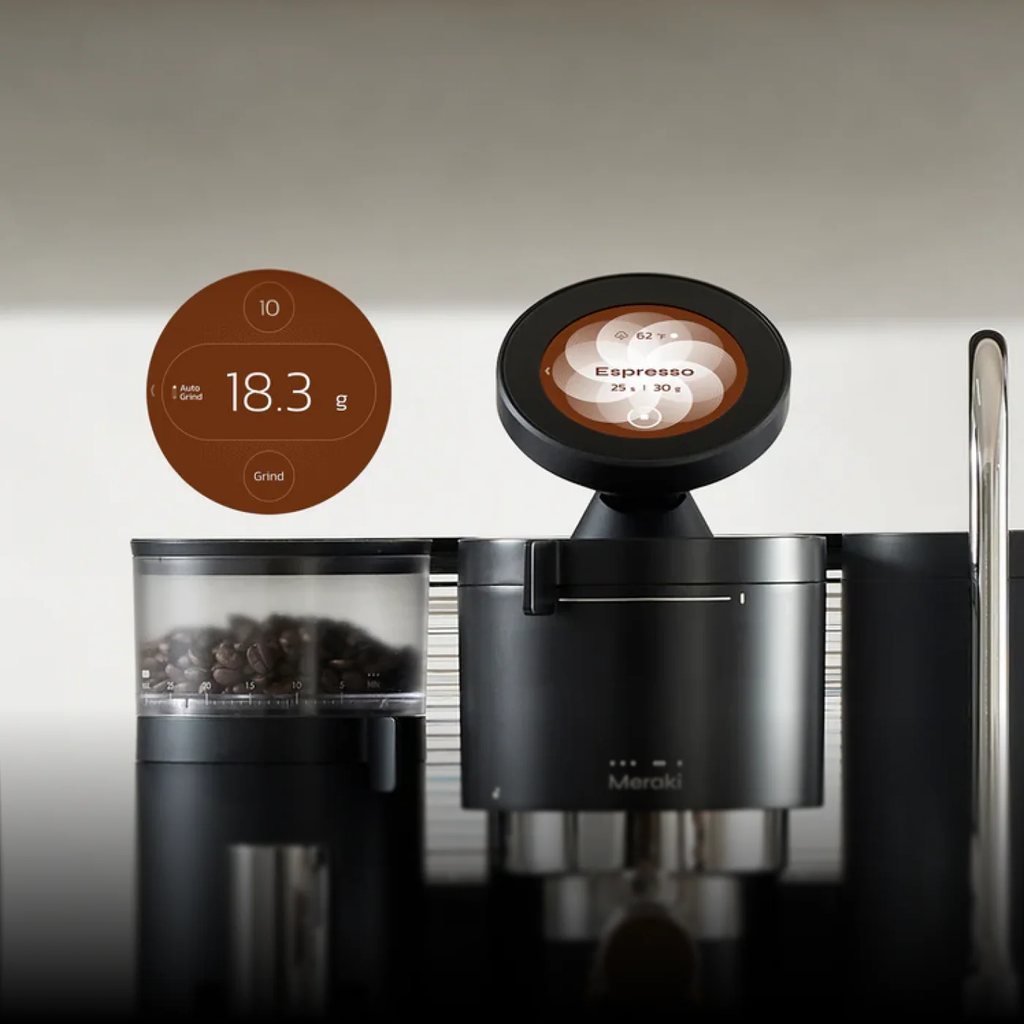
Buying an espresso machine is about finding a setup that matches your coffee habits, kitchen space, and preferred level of control. Some home baristas enjoy adjusting every detail, from grind size to extraction time, while others want a more streamlined routine that makes it easier to prepare coffee before work. Comparing complete workflows can reveal more than looking at individual features or brand names.
Meraki and Breville offer different approaches to home espresso equipment, so buyers should consider the specific machines they are comparing rather than assuming every model from either brand works the same way. Grinder arrangements, brewing controls, milk preparation, cleaning requirements, and included accessories can vary considerably. The best choice depends on which of these factors matters most in everyday use.
Price is another important consideration, but the advertised machine price does not always represent the full cost of building a working coffee station. Depending on the model, you may need to budget for a grinder, tamper, milk jug, cleaning supplies, or other accessories. Comparing what comes in the box with what you will need to purchase separately can make the decision clearer.
For a more focused look at the brands, the Meraki vs Breville espresso machine comparison provides a brand-specific starting point. Use it to identify the models and workflows being discussed, then verify current specifications and included equipment before making a final decision.
Compare the Complete Coffee-Making Workflow
An espresso routine usually involves measuring coffee, grinding the beans, preparing the coffee puck, extracting the shot, and cleaning the equipment afterward. If you regularly drink cappuccinos or lattes, milk preparation becomes another part of the process. The convenience of a machine depends on how these steps fit together, not simply on how many functions appear in its product description.
Consider how involved you want to be. A coffee enthusiast who enjoys experimenting may appreciate having separate components and control over each stage. Someone who wants a repeatable morning routine may place more value on a coordinated system that reduces the number of separate decisions.
It is also worth considering who else will use the machine. If several people in the household prepare coffee, a clear workflow and accessible controls can make the experience easier for everyone. The machine should suit the least experienced regular user as well as the person most interested in espresso technique.
Grinder Options and Dialing In Coffee
Grind size has a major influence on espresso extraction. Coffee ground too coarsely may allow water to pass through too quickly, while an overly fine grind can slow the shot and create other extraction challenges. Different beans also respond differently, so changing coffee often means adjusting the grinder.
When comparing Meraki with a Breville model, check whether grinding is integrated into the machine or handled by separate equipment. An integrated grinder may reduce the number of items on the counter, while a separate grinder can offer flexibility when selecting or upgrading components. Neither arrangement is automatically superior for every household.
Look at the available grind adjustments, dosing method, and ease of making small changes. A good setup should allow you to respond when a new bag of beans produces a shot that tastes sour, bitter, or unbalanced. Clear instructions and a repeatable process can make this learning curve less frustrating.
Brewing Controls and Milk Preparation
Temperature, pressure, dose, grind size, and extraction time all influence the espresso in the cup. Buyers should review the actual controls offered by each model and avoid assuming that two machines provide identical adjustment options. Check the manufacturer’s current specifications for the exact model, particularly when a purchase depends on a particular brewing or heating feature.
Milk preparation deserves the same attention. If you mainly drink straight espresso, you may prioritise extraction consistency and grinder performance. If lattes and cappuccinos are part of your daily routine, investigate the milk-steaming method, the amount of hands-on work required, and how easy the relevant parts are to clean.
Think about back-to-back drinks as well. Preparing one coffee occasionally is different from making several drinks for family or guests. The speed and sequence of each step may influence how comfortable the setup feels during busy periods.
Learning Curve and Daily Convenience
New espresso users often need time to learn how grind size, coffee quantity, and extraction affect flavour. A machine with many settings can offer useful flexibility, but it may also require more experimentation. A simpler process can be attractive for beginners, provided it still meets their expectations for coffee quality and control.
Before choosing a machine, watch demonstrations that show the preparation process from grinding through cleanup. Product photos can communicate design and dimensions, but a realistic demonstration is often more useful for understanding the daily workflow. If possible, read owner feedback about setup, ease of use, and consistency while remembering that individual experiences can differ.
Counter Space, Cleaning, and Ownership Costs
Measure your available counter space before choosing a machine. Remember to leave room for bean storage, cups, accessories, and the movement needed to fill the water tank or clean the equipment. A compact arrangement may suit a small kitchen, while a dedicated coffee corner can accommodate a more extensive setup.
Maintenance should be part of the comparison, too. Coffee oils accumulate over time, water quality can affect internal components, and milk residue needs prompt cleaning. Meraki’s espresso machine cleaning and care guide is a relevant resource for understanding routine care and the importance of following instructions for the specific machine you own.
Finally, compare warranty coverage, customer support, replacement-part availability, and the cost of essential accessories. These practical details can affect the ownership experience long after the initial purchase. A machine that fits your budget on day one should also be manageable to maintain over the years.
How to Make the Final Decision
Start by listing your three most important requirements. These might be an integrated grinder, convenient milk preparation, a compact footprint, straightforward controls, or room to experiment with espresso recipes. Compare the exact Meraki and Breville models against that list, using current manufacturer information rather than assumptions about either brand.
Calculate the total cost of the setup, including any separate grinder or accessories you need. Check the cleaning routine and support options before purchasing, too. This approach makes it easier to compare practical ownership requirements alongside the machine’s advertised features.
Final Thoughts
The Meraki versus Breville decision is best made by comparing specific machines and the complete workflow each provides. Grinder arrangements, brewing controls, milk preparation, space requirements, and long-term maintenance can all influence which option feels right at home.
Take time to confirm the current specifications and calculate the cost of the complete setup. Choosing equipment that fits your routine and skill level is more useful than selecting a machine based on brand recognition alone.
 owais