 By owais
The Problem of Urban Pollution
I vividly recall a day in 2022 when I wandered through the bustling streets of Dhaka, only to be hit by the overwhelming sight of litter strewn everywhere—plastic bags, paper, and all manner of debris cluttered the pavements. This scene is not unique; urban areas globally grapple with pollution. In cities, millions of square feet of public space require cleaning daily. Yet, traditional cleaning methods often falter. While dedicated teams work tirelessly, the reality is stark—inefficient machines and manual efforts can’t keep up. How can data help us design a smarter solution for our vacuum street sweeper? People deserve clean streets, and here lies the potential of innovative technology.

Understanding the Vacuum Street Sweeper
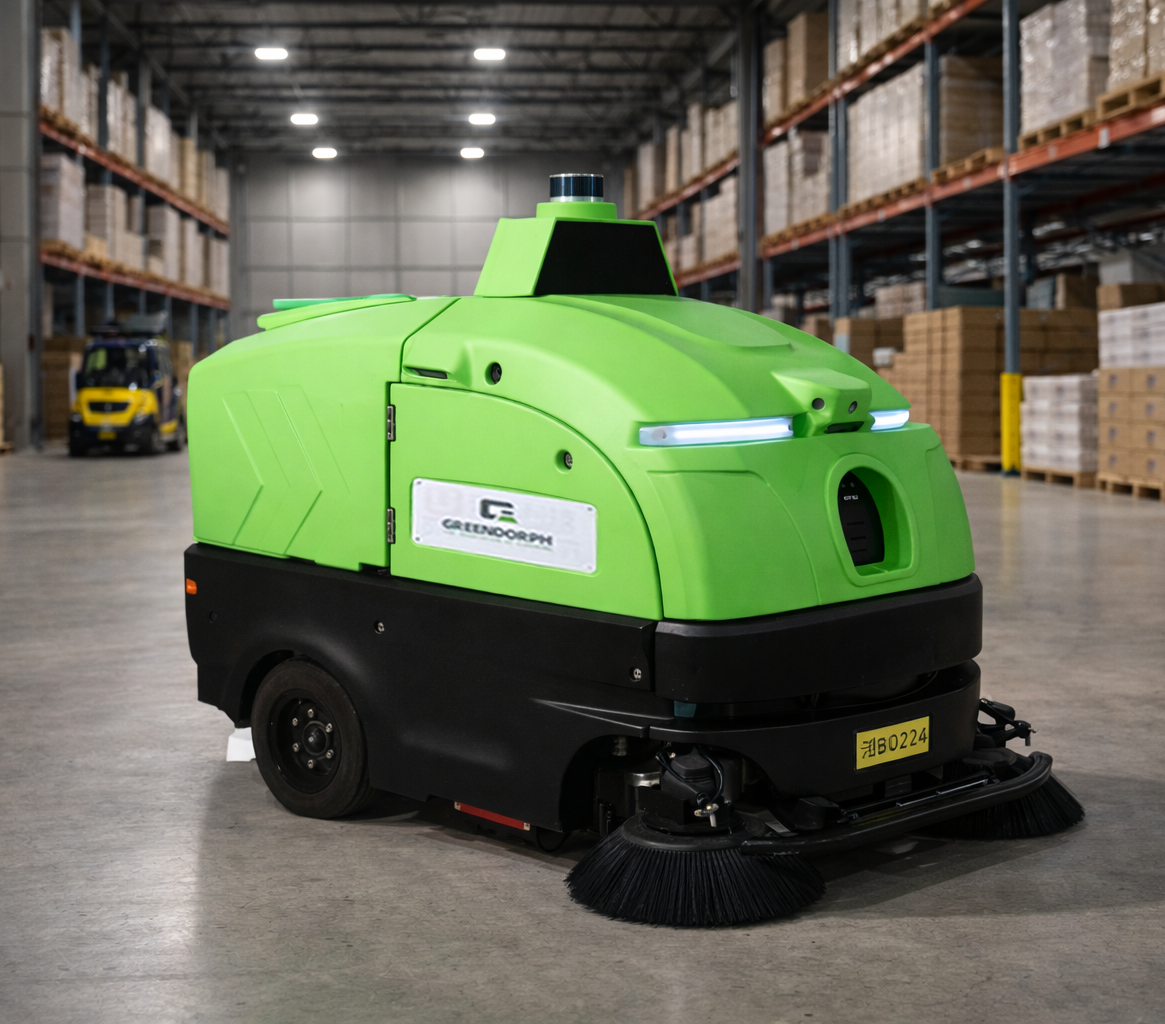
The vacuum street sweeper stands at the forefront of this cleaning revolution. These machines are engineered to tackle urban debris efficiently, using advanced filtration systems and powerful suction to remove waste from roadways. Unlike traditional methods, which rely on manpower and less effective machines, these modern marvels can adapt to various street conditions, ensuring thorough cleaning regardless of environmental challenges. It’s much more than a cleaning device—it’s a solution driven by technology.
What Are the Hidden Pitfalls?
One often-overlooked aspect of street cleaning is the just-missed spots from manual sweeper methods. You know, those awkward corners where dirt loves to hide? Additionally, user error and inadequate training can lead to inconsistent results. A few years ago, I observed a classic case in a suburban neighborhood where a lack of strategic data use led to an inefficient cleaning schedule. Local authorities were not using geographic insights to guide their routines. As a result, essential cleaning zones were neglected. Could better integration of analytics provide a remedy here? Absolutely.
Looking Ahead: The Future of Street Cleaning
As we consider the future, it’s clear that technology, especially automation, will increasingly shape urban cleaning. Integrated data systems that utilize real-time monitoring will allow cities to customize cleaning schedules based on traffic patterns and weather conditions. Imagine a world where a quick rainstorm alerts robotic cleaners to surface the streets with vigor afterward. The capability of the vacuum street sweeper offers a glimpse into this smarter future. Further, municipalities that invest in these sophisticated machines can see a drop in pollution levels and health concerns associated with dirty streets.
Real-World Impact of Smart Solutions
By adopting smarter solutions, cities can truly transform themselves. For instance, Helsinki reported a 30% reduction in street pollution after integrating automated cleaning schedules with their vacuum street sweeper fleet—yes, you heard that right. This case shows that a well-planned strategy, combined with cutting-edge technology, can lead to measurable results. I firmly believe that data-driven decision-making in street cleaning is not just an option anymore; it’s a necessity in our rapidly urbanizing world.
Summarizing key insights, we see that traditional methods struggle against the challenges posed by excessive urban waste and pollution, making it vital to leverage advanced technology. Moreover, the conversation is shifting towards solutions focused on efficacy and sustainability. When evaluating street cleaning tools, consider the efficiency of operations, the adaptability of equipment, and the availability of data integration systems.
Ultimately, urban cleanliness isn’t just a tradeshow of machinery; it’s about creating environments where people thrive. Embracing innovations such as those from Greendorph provides a practical and impactful way forward.